Published 23 Oct 2026
Why Hire a Freelance Food and Drink Photographer? Benefits, Costs and Hiring Guide
Hire a freelance food and drink photographer for menus, products, campaigns and social content. Compare portfolios, pricing, styling, deliverables and usage rights before choosing the right specialist.
Tags
Post content
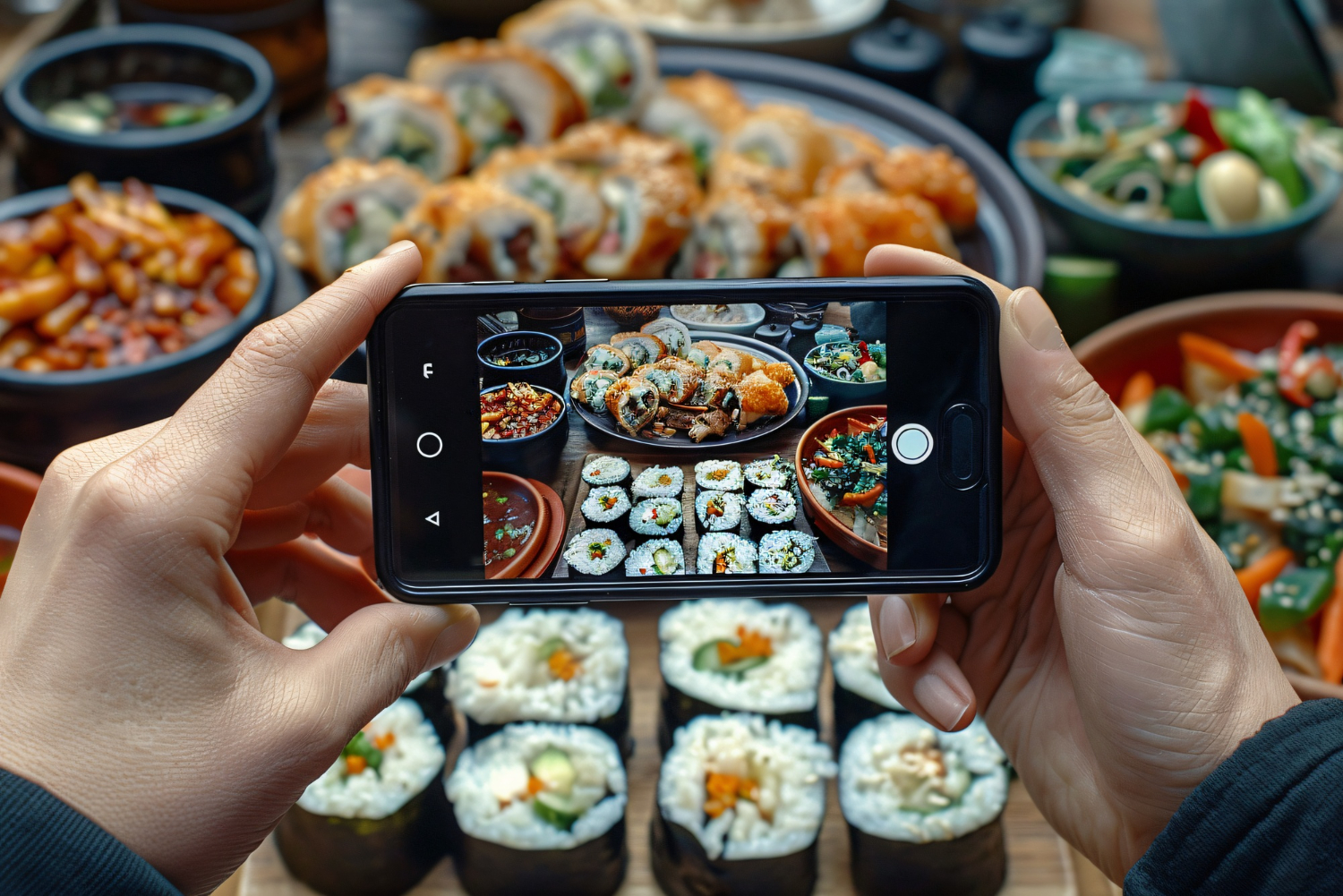
A freelance food and drink photographer creates purpose-built images of dishes, drinks, products, people and hospitality spaces for menus, websites, delivery platforms, packaging, advertisements and social media.
Hiring a specialist is useful when a business needs more than an attractive photograph. The images must accurately represent the offering, remain consistent with the brand and work in the formats where customers will see them. A restaurant menu needs clear dish images, while a drinks campaign may require controlled reflections, styled glassware, motion and multiple crops.
The right freelancer combines photography, lighting, composition, production planning and post-processing with an understanding of how quickly food changes in front of the camera. Buyers should compare relevant portfolio work, styling capability, deliverables, usage rights and total project scope rather than choosing on camera equipment or headline price alone.
What Does a Freelance Food and Drink Photographer Do?
A food photographer plans, captures, and prepares visual assets featuring food, beverages, ingredients, packaging, and hospitality environments. The work may take place inside a restaurant, at a production kitchen, in a studio or at another controlled location.
Depending on the project, the photographer may:
- Translate a marketing goal into a shoot concept and shot list.
- Recommend suitable angles, surfaces, backgrounds and lighting.
- Coordinate with chefs, food stylists, prop stylists and marketing teams.
- Photograph individual dishes, grouped menu items and drinks.
- Capture products with or without packaging.
- Photograph preparation, staff, interiors and customer-facing spaces.
- Produce horizontal, vertical and square compositions.
- Cull and edit the selected photographs.
- Correct exposure, colour, contrast and minor presentation issues.
- Export files for menus, websites, print, advertising and social platforms.
- Define the permitted commercial usage of the final images.
Photography, styling and retouching are related but separate deliverables. Some freelancers provide all three, while others expect the client to supply a stylist or commission editing separately. Buyers should establish that division before comparing quotations.
Why Hire a Freelance Food and Drink Photographer?
Businesses usually hire a specialist because food photography combines commercial planning with technical and time-sensitive production. A general photographer may understand lighting but lack experience with melting ingredients, condensation, reflective glassware, steam, rapidly changing textures, and the pace of a working kitchen.
They Understand Restaurant and Hospitality Operations
A restaurant cannot always stop normal operations for a photoshoot. Kitchens have preparation schedules, service periods, limited work surfaces, and dishes that must reach paying customers.
An experienced restaurant food photographer plans around these constraints. The freelancer may recommend shooting during a closed period or quiet service window, grouping dishes by lighting setup and arranging the schedule so the kitchen produces one photograph-ready item at a time.
This operational understanding matters because food has a short visual life. Ice melts, sauces form skins, herbs wilt, foam collapses, and hot dishes lose steam. A photographer who communicates with the chef can prepare the camera, background, and lighting before the finished plate arrives.
For drinks, the photographer must also watch for fingerprints, smudges, uneven garnishes, melting ice, and unwanted reflections. These details are difficult to repair consistently across a large image library.
They Help the Business Stand Out From Competitors
Customers often compare restaurants, menus, and food products through similar digital interfaces. Delivery listings, search profiles and social feeds can make competing businesses look interchangeable.
Custom food and drink photography gives a business control over what customers see. The images can highlight signature dishes, unusual ingredients, portion presentation, packaging, interior details and the character of the venue.
Standing out does not require making the food look unrealistic. The strongest differentiation normally comes from accurately showing what is distinctive about the business. That may be handmade preparation, a specialist cooking process, seasonal ingredients, distinctive tableware, a particular drinks programme or a recognisable venue atmosphere.
They Create a Consistent Visual Brand Identity
Brand identity is expressed through more than a logo. Lighting, colour, background, props, framing and editing all influence how the business feels.
A bakery may use bright natural light, close textures and warm colours. A cocktail bar may need darker lighting, reflections and deliberate negative space. A packaged-food brand may require clean, repeatable images that match its labels and ecommerce pages.
A freelance photographer can turn these choices into a repeatable visual system. That consistency helps images from different dishes and campaign periods feel connected when they appear together on a website, menu or social profile.
Businesses commissioning wider lifestyle, team or location imagery can also compare relevant business and brand photography services.
They Combine Food Styling, Lighting and Composition
Food styling prepares the subject for the camera. It can involve selecting the best ingredients, adjusting portions, cleaning plate edges, arranging garnishes, controlling moisture and choosing supporting surfaces or props.
Lighting determines shape, texture and atmosphere. A side light may reveal layers in a pastry, while backlighting can make steam, bubbles or a translucent drink more visible. Reflective packaging and glassware require different lighting control from bread, meat or fresh produce.
Composition determines what the viewer notices first. It includes the shooting angle, crop, spacing, background, and relationship between the main dish and supporting objects.
Not every food photographer is also a professional food stylist. Confirm whether styling includes light plating adjustments, complete recipe preparation, prop sourcing, or a separate specialist. The word “styling” can describe very different amounts of work.
They Provide Professional Equipment and Production Skills
Hiring a freelancer gives the business access to equipment without requiring it to buy, maintain, and learn to use that equipment internally.
A food shoot may require:
- Camera bodies and suitable lenses.
- Tripods and overhead supports.
- Continuous lights or flash equipment.
- Light modifiers, reflectors and diffusion.
- Colour-calibration tools.
- Tethered shooting equipment.
- Backgrounds, surfaces and small props.
- Editing and file-management software.
- Backup equipment and secure storage.
Equipment alone does not create useful commercial images. The photographer must know how to select a lens, control reflections, preserve accurate colour, maintain focus and produce consistent results across dozens of products or dishes.
A buyer should therefore evaluate finished work and production reliability rather than using equipment ownership as the main selection criterion.
They Build a Purpose-Specific Image Library
One attractive hero image cannot satisfy every channel. A useful food photography project creates an organised library built around actual business needs.
A restaurant may require:
- Individual menu-item photographs.
- Grouped dishes for offers or seasonal campaigns.
- Wide website banners with space for text.
- Vertical photographs for Stories and advertisements.
- Square or portrait social-feed images.
- Small, clear images for delivery listings.
- Drinks and dessert coverage.
- Interior, exterior, chef and team images.
- Preparation and behind-the-scenes photographs.
- Press-ready brand photographs.
A food manufacturer may need additional packaging, ingredient, serving-suggestion, catalogue and ecommerce formats. Businesses selling packaged products should compare specialists with relevant product photography experience.
Planning by destination prevents a common problem: receiving a beautiful gallery that cannot be cropped or formatted for the channels that commissioned it.
They Help Customers Understand the Offering
Professional food photographs can show portion presentation, ingredients, texture, packaging, and venue atmosphere before a customer visits or orders.
The purpose is not to guarantee sales. Images work alongside pricing, reviews, product information, service quality, and customer experience. Their role is to reduce uncertainty and give customers a clearer impression of what the business offers.
Accuracy matters. Excessive retouching or unrealistic AI-generated food can create expectations the real product cannot meet. Commercial images should enhance presentation without misrepresenting the dish, drink, or packaged product.
They Offer Project-Based Creative Support
Many businesses need specialist photography periodically rather than every working day. A freelancer can be commissioned for a menu launch, packaging update, seasonal campaign, restaurant opening or monthly content session without creating a permanent internal role.
This approach provides access to relevant skills while keeping scope measurable. It also allows a business to select different specialists for different assignments, such as menu photography, drinks photography, product packaging, or social video.
The trade-off is availability. A successful freelancer may be booked during busy campaign periods, so repeat clients should schedule seasonal or launch work in advance.
What Types of Food Photography Can You Commission?
Food photography is not one uniform service. Naming the required type helps buyers find portfolios that match the project.
Restaurant and Menu Photography
Restaurant food photography focuses on finished dishes, drinks, and the dining experience. The final images may be used on printed menus, websites, delivery services, local listings, booking platforms and social media.
Consistency is particularly important when many dishes appear together. Buyers should agree on the background, crop, camera angle and number of final images per dish.
Food Product and Packaging Photography
Food product photography covers packaged goods such as jars, bottles, boxes, snacks, frozen products and meal kits. The brief may require clean catalogue images, styled serving suggestions, ingredient arrangements and photographs showing packaging details.
Accuracy is important because customers may use the images to identify size, flavour, contents and packaging. Confirm whether labels, colours and product proportions must match the physical item exactly.
Drinks and Cocktail Photography
Drinks photography requires control over glass, ice, condensation, foam, garnish and reflections. Cocktails, beer, coffee and bottled drinks each create different technical challenges.
Buyers should specify whether the drink must look freshly prepared, whether bottles and labels must remain prominent, and whether movement such as pouring or splashing is required.
Lifestyle and Brand Campaign Photography
Lifestyle food photography places a product or dish inside a broader setting. It may show people sharing a meal, a product being prepared or ingredients in a recognisable environment.
This work normally requires more planning than isolated menu images because it can involve locations, models, wardrobe, props, creative direction and wider commercial licensing.
Interior and Behind-the-Scenes Photography
Food businesses often need more than images of finished plates. Interior photographs show the dining space, bar, counter, seating and atmosphere. Behind-the-scenes images can introduce the chef, team, ingredients, and preparation process.
These images are useful for websites, press materials, recruitment, social storytelling and local business listings. They should be included in the initial shot list rather than requested after the food session has finished.
Where Can Businesses Use Food Photos?
Each channel creates different composition, size, and information requirements.
| Channel | Useful content | Planning consideration |
| Printed or digital menu | Individual dishes and drinks | Maintain consistent angles and accurate presentation |
| Website | Hero images, menus, team and venue | Capture wide images with space for text |
| Delivery platform | Clear individual items | Make the dish readable at thumbnail size |
| Social media feed | Styled dishes and brand moments | Request portrait and square crops |
| Stories and short-form content | Vertical photos and motion clips | Keep important details away from interface overlays |
| Ecommerce listing | Packaging and product details | Preserve accurate colour, labels and proportions |
| Advertising | Campaign concepts and product benefits | Confirm usage rights, duration and territories |
| Press and public relations | Venue, founders, products and atmosphere | Prepare captions and high-resolution files |
| Local search profile | Food, entrance, interior and team | Show what an arriving customer will recognise |
The intended use should be agreed before the shoot. Cropping one photograph into every format can remove important details or weaken the composition.
When Should You Add Food Videography?
Food videography is useful when movement helps explain the product or experience. A still image can show a finished cocktail, but video can show the pour, garnish, bubbles, and final serve. A photograph can present a dish, while a short clip can show preparation, plating, or the moment it reaches the table.
Common formats include:
- Ingredient and preparation sequences.
- Plating and finishing shots.
- Drink pours and cocktail-making clips.
- Steam, sizzling, and texture close-ups.
- Chef-at-work footage.
- Restaurant atmosphere and service.
- Product demonstrations.
- Recipe or serving suggestions.
- Vertical Reels, Shorts and Stories.
- Short promotional campaign videos.
Photo-Only or Combined Production?
Choose photography alone when the main deliverables are menus, listings, packaging, print or static website content.
A combined shoot may be more efficient when the business needs a photo library and regular social video from the same dishes, location, and production setup. However, simultaneous production is not automatically simple. Photography and video can require different lighting, framing, camera movement and timing.
Confirm whether one freelancer can provide both services at the required standard or whether the project needs a photographer, videographer, and editor. Buyers needing new filmed footage can review Osdire’s video and animation services.
How Much Does Freelance Food Photography Cost?
Food photography costs depend on the location, shoot duration, number of dishes, styling, crew, editing, usage rights, and production complexity. Global prices vary significantly, so the following USD ranges are planning references rather than fixed Osdire rates.
| Pricing model | Typical planning range | Suitable for |
| Small menu or social session | $300–$800 | Limited dishes, one setup and a defined image count |
| Half-day shoot | $500–$1,500 | Menu refresh, drinks coverage or seasonal content |
| Full-day shoot | $1,000–$3,500+ | Larger menus, several setups or wider brand coverage |
| Simple finished product image | $25–$90 per image | Catalogue or ecommerce work with repeatable setup |
| Styled lifestyle or advertising image | $150–$500+ per image | Props, detailed styling and campaign use |
| Large commercial campaign | $5,000–$25,000+ | Creative direction, crew, locations, models and broad licensing |
These ranges should not be treated as promises. A local restaurant session and a national packaging campaign are both food photography, but their production and commercial value are entirely different.
Osdire’s broader photographer pricing guide explains how hourly, day-rate, per-image, and package quotations differ.
What Affects the Final Quote?
Number of dishes or products: More subjects require more preparation, shooting, culling, and editing.
Number of final images: Clarify whether the quote covers photographs taken or final edited files. Only the latter is a useful deliverable.
Styling: Basic adjustments may be included. Full food preparation, prop sourcing and specialist styling may require additional people and budget.
Location and travel: On-location work can involve travel, parking, access restrictions and time spent setting up around normal operations.
Studio hire: Packaged products or controlled advertising work may require a studio, surfaces and additional lighting.
Photography and video together: Filming adds equipment, camera operation, sound, editing and platform-specific versions.
Retouching: Colour correction may be included, while complex compositing, packaging cleanup or object removal may cost extra. Existing images that only need post-production may be better suited to a photo-retouching specialist.
Usage rights: Local website and organic social use are different from national advertising, packaging, billboards, or third-party resale.
Turnaround: Rush delivery can require additional editing resources or displace other scheduled work.
RAW and source files: Many photographers deliver finished images but retain RAW files. Agree this before hiring.
What Should a Comparable Quote Include?
Ask each freelancer to quote against the same written brief. Compare:
- Shoot duration.
- Number of dishes or products.
- Number of finished images.
- Photography and video deliverables.
- Pre-production and shot-list planning.
- Styling and prop responsibilities.
- Travel and studio costs.
- Editing and retouching.
- File sizes, formats, and crops.
- Delivery schedule.
- Revision or correction process.
- Usage rights.
- Cancellation and rescheduling terms.
- Taxes and marketplace fees.
A lower quote may exclude styling, editing, travel, licensing, or additional formats. Osdire’s guide to freelancer costs and hidden fees explains why defined deliverables matter more than the headline price.
Freelancer, In-House Photographer or Agency: Which Is Best?
| Option | Best suited to | Main advantage | Main limitation |
| Freelance photographer | Defined shoots and periodic campaigns | Direct communication and specialist selection | Availability and team capacity vary |
| In-house creative | Frequent, repeatable daily content | Immediate access and brand familiarity | Salary, equipment and management costs |
| Agency or production company | Large campaigns with multiple creative roles | Integrated direction, styling and production | Higher overhead and less direct specialist contact |
A freelancer is usually the practical option for restaurants, cafés, and growing food brands that need professional work at defined intervals.
An in-house role becomes more reasonable when the business produces enough continuous content to justify a permanent workload. An agency is suitable when the campaign requires creative strategy, casting, locations, stylists, multiple production days, and broad media delivery.
The correct choice depends on production frequency and complexity, not only business size.
What Should You Look for in a Food Photography Portfolio?
Do not evaluate the portfolio only by asking whether the images look attractive. Check whether the work proves the photographer can solve your specific production problem.
Look for:
- Food or drinks similar to what you sell.
- Consistent work across a complete series.
- Accurate colour and believable texture.
- Controlled highlights on glass and packaging.
- Relevant styling and prop choices.
- Clean plate edges and product presentation.
- Useful wide, vertical and close compositions.
- Interior or team work if included in your brief.
- Images prepared for menus, websites or ecommerce.
- A visual style compatible with your brand.
Ask which parts of each example the photographer personally handled. A campaign image may have involved an art director, food stylist, prop stylist and retoucher. The photographer’s own scope needs to match what you are commissioning.
Also review process evidence. Relevant questions include:
- How do you plan the shoot around kitchen capacity?
- Who is responsible for food and prop styling?
- How many finished images can realistically be created?
- How are selections and revisions handled?
- What happens if a dish or product is unavailable?
- How are files backed up?
- What usage rights are included?
- Can you deliver the required orientations and formats?
How to Hire a Freelance Food and Drink Photographer on Osdire
Start by defining the output rather than searching only for a job title. A useful requirement might be: “Photograph 15 menu items, five drinks, three interior scenes and four vertical preparation clips for our website, delivery listings and social channels.”
Buyers can explore Osdire’s wider freelance photography services and compare relevant portfolio work, project scope, price, delivery and experience.
For a physical restaurant shoot, location is essential. Confirm that the photographer can travel to the venue on the required date. Remote or international freelancers may still help with editing, retouching, creative planning, or packaged products that can be shipped, but they cannot replace an on-site photographer when new restaurant footage is required.
Browse Relevant Photography Services
- Identify whether the project is restaurant, product, brand, or combined photo-and-video work.
- Review portfolios for similar food, drinks, packaging, and lighting conditions.
- Check whether the offer includes a physical shoot, AI-generated output, editing, or a combination.
- Compare the number of finished assets, formats, revisions, and delivery time.
- Message the freelancer with the location, shot list, and intended usage before ordering.
- Confirm the total scope and rights in writing.
Osdire’s commercial and business photography section provides the closest route when the work supports menus, products, brands, or campaigns.
Post a Food Photography Project
If no ready-made offer matches the shoot, post a project on Osdire with:
- Business type and location.
- Shoot objective.
- Preferred date and duration.
- Dishes, drinks, or products.
- Required image and video counts.
- Intended channels.
- Styling requirements.
- Reference images.
- Required formats and crops.
- Delivery deadline.
- Usage rights.
- Budget range.
Compare proposals against the same brief. Otherwise, one photographer may quote a shoot-only day rate while another includes planning, styling, and edited deliverables, making the prices appear comparable when they are not.
What Should Be Included in a Food Photography Brief?
A written brief prevents avoidable delays and reshoots. It should answer five questions: what is being photographed, why it is being photographed, where the files will appear, who is responsible for preparation, and what counts as an acceptable delivery.
Include:
Business and Campaign Context
Explain the restaurant, product or brand, target customer, campaign goal, and desired impression. Specify whether the priority is clarity, appetite appeal, premium positioning, convenience, craftsmanship, or another real attribute.
Deliverables
List the number of dishes, drinks, products, interior scenes, team images, and video clips. State how many final edited assets are required rather than how many photographs may be taken.
Channel Requirements
Identify where each asset will be used. Include orientation, dimensions, resolution and any need for negative space for headlines or buttons.
Visual Direction
Provide a small set of relevant references and explain what you like about them. Include brand colours, existing imagery, and anything the photographer should avoid.
Shot List
For each required asset, record:
- Dish, drink or product.
- Required angle.
- Background or surface.
- Props or ingredients.
- Orientation.
- Intended channel.
- Priority.
- Preparation timing.
- Required variations.
Styling Responsibilities
Confirm who supplies, prepares, and styles the food. State who provides tableware, surfaces, linens, ingredients, garnishes, and packaging samples.
Logistics
Include the address, access times, parking, power, available space, kitchen contact, service schedule, and any restrictions affecting the setup.
Post-Production and Delivery
Define the number of final images, selection process, retouching level, file formats, colour profile, naming convention, storage method and delivery date.
Usage Rights
State the channels, territories and time period. If paid advertising, packaging, print distribution or resale is planned, disclose it before the quote is agreed.
How to Prepare for the Photoshoot
Preparation should begin before the photographer arrives.
- Approve the shot list. Rank essential images separately from optional extras.
- Schedule around operations. Avoid forcing the kitchen to serve customers and a production crew simultaneously.
- Assign one decision-maker. The photographer needs fast approvals without conflicting feedback.
- Prepare ingredients and duplicates. Have backup portions for spills, wilting, melting, or inconsistent plating.
- Check tableware and packaging. Remove damaged plates, scratched glassware and dented or incorrectly labelled products.
- Clean the location. Pay attention to reflective surfaces, windows, tables, floors and areas appearing in wider frames.
- Prepare the team. Confirm uniforms, releases, timing and who may appear in photographs.
- Gather brand assets. Provide menus, packaging, logos, colour references and campaign copy.
- Protect setup time. Lighting and tethering should be ready before time-sensitive food arrives.
- Plan approval checkpoints. Review representative images during the shoot rather than discovering a mismatch after the set is dismantled.
The photographer should not be expected to improvise the entire campaign on arrival. Creative flexibility is useful, but it works best inside an approved scope.
How to Review the Final Images and Usage Rights
Review the delivery against the written brief, not only personal preference.
Check:
- Every required dish, product, and scene is present.
- Image counts match the agreed deliverables.
- Colours and labels are accurate.
- Food looks believable and consistent with the real offering.
- Crops work for their intended channels.
- Important details remain visible at small sizes.
- Backgrounds and props support rather than distract.
- Retouching is consistent across the series.
- File names and formats are usable.
- Horizontal, vertical and square versions are included where agreed.
- Usage rights cover the intended channels and duration.
A revision usually corrects an agreed image, such as colour balance, crop, or a removable distraction. Asking for an unplanned dish, different composition or new campaign concept may constitute additional work rather than a revision.
Keep the original agreement, final licence and delivered files together. Record when usage rights expire if the licence is limited. Back up the approved assets in more than one location and maintain a simple index showing which images are cleared for menus, organic social content, advertising, print and packaging.
Build a Food Image Library Around Real Business Needs
The best reason to hire a food photographer is not simply to obtain more attractive pictures. It is to create accurate, consistent, and usable visual assets that support specific customer decisions and marketing channels.
Begin with the destination of each image. Define the dishes, products, formats, styling responsibilities, usage rights, and delivery requirements. Then compare freelancers whose portfolios show relevant food, drink, or hospitality experience.
A clear brief improves both the creative result and the accuracy of the quote. It also gives the photographer enough information to plan around kitchen capacity, ingredient timing, location access, and the short visual life of prepared food.